Turn2Us CEO Thomas Lawson is leading calls for stakeholders to create medium and long-term solutions to the issue as well as “asking parliamentarians to act on policy, the housing sector to pursue best practice, the charity sector to reinforce collaboration, and the private sector to increase support for customers and communities”.
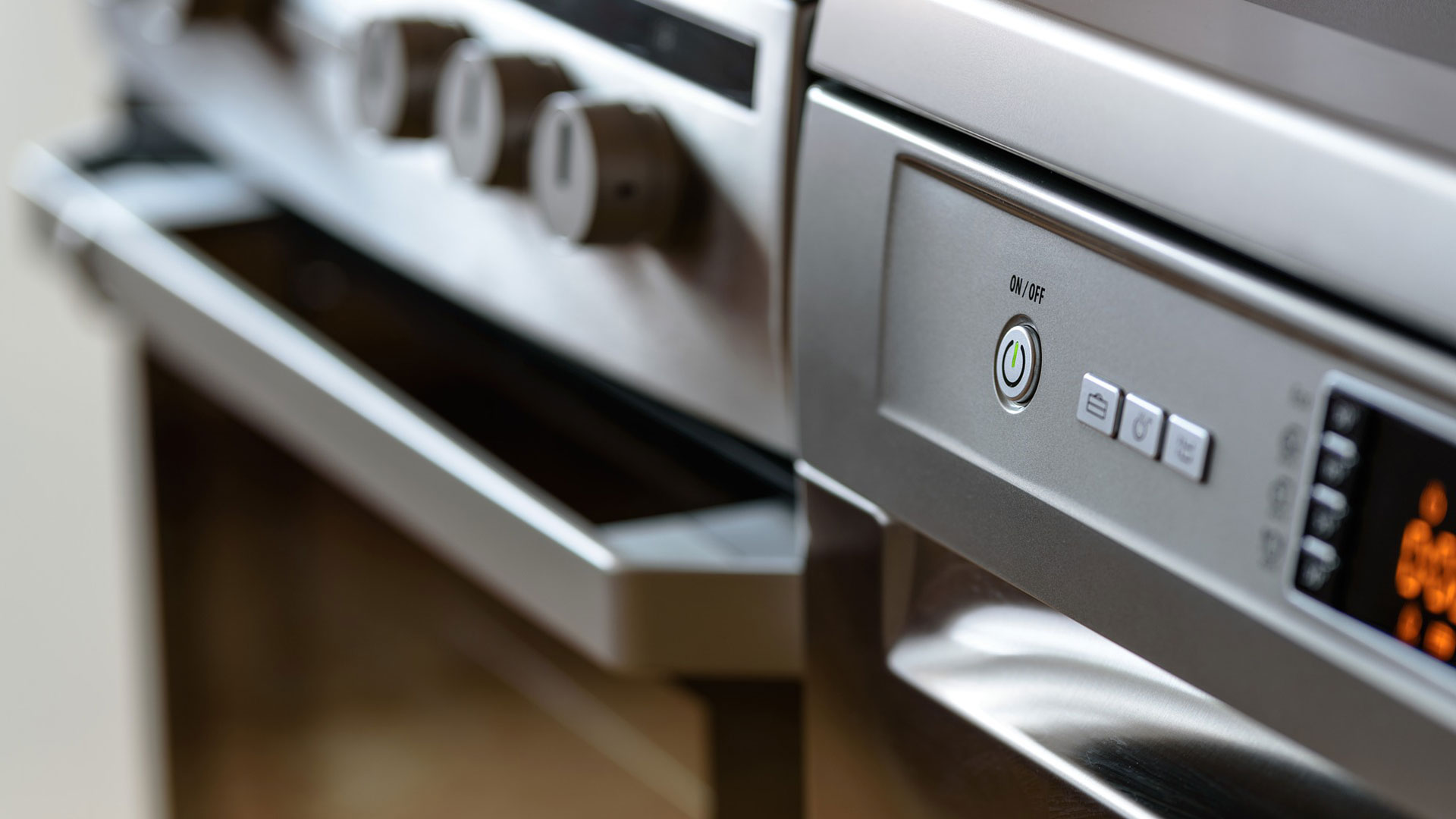
He said: “The Living Without report looks to tackle one of the most corrosive effects of poverty in our country. We believe that one of the most shameful elements of poverty facing modern British society is appliance poverty.”
The effects of appliance poverty are not just financial but physical and emotional too, with one respondent to Turn2Us’ survey said: “I smell dirty myself, I’m unclean and very unhealthy, very depressed it’s like I’m in prison.”
Keep reading the journalism that powers our mission
Register free to continue and learn more about the stories, campaigns and the support we provide, helping people facing poverty across the UK.
And young mother Helen, who has been helped by the charity, said that “living without a cooker, fridge or washing machine can mean living with difficulty, shame and stigma every day of your life. I know, because I have been there”.
The areas worst affected by appliance poverty are London, the West Midlands, North East England and Yorkshire and the Humber. Those hit by the issue pointed to low wages, a lack of welfare funding, creeping costs in private housing and a lack of social housing as reasons behind the issue.
As The Big Issue has previously reported, that has seen some people forced to turn to high-cost credit lenders as an alternative.
Responding to Turn2Us’ campaign, umbrella group Responsible Finance have called for a partnership between housing associations and responsible finance providers to tackle appliance poverty.
“The statistics in this report paint a stark picture of the scale of appliance poverty and its cost to vulnerable people of living without the basics; both financial, physical and emotional,” said a Responsible Finance spokesperson.
“A key alternative is the responsible finance industry. They offer an affordable option to taking out a high-cost loan for the purchase of white goods, or even going without. In 2019, responsible finance providers saved their customers £7.5 million in interest payments compared to if they had gone to a high-cost lender, an example of how the sector can transform the lives of those facing appliance poverty.”